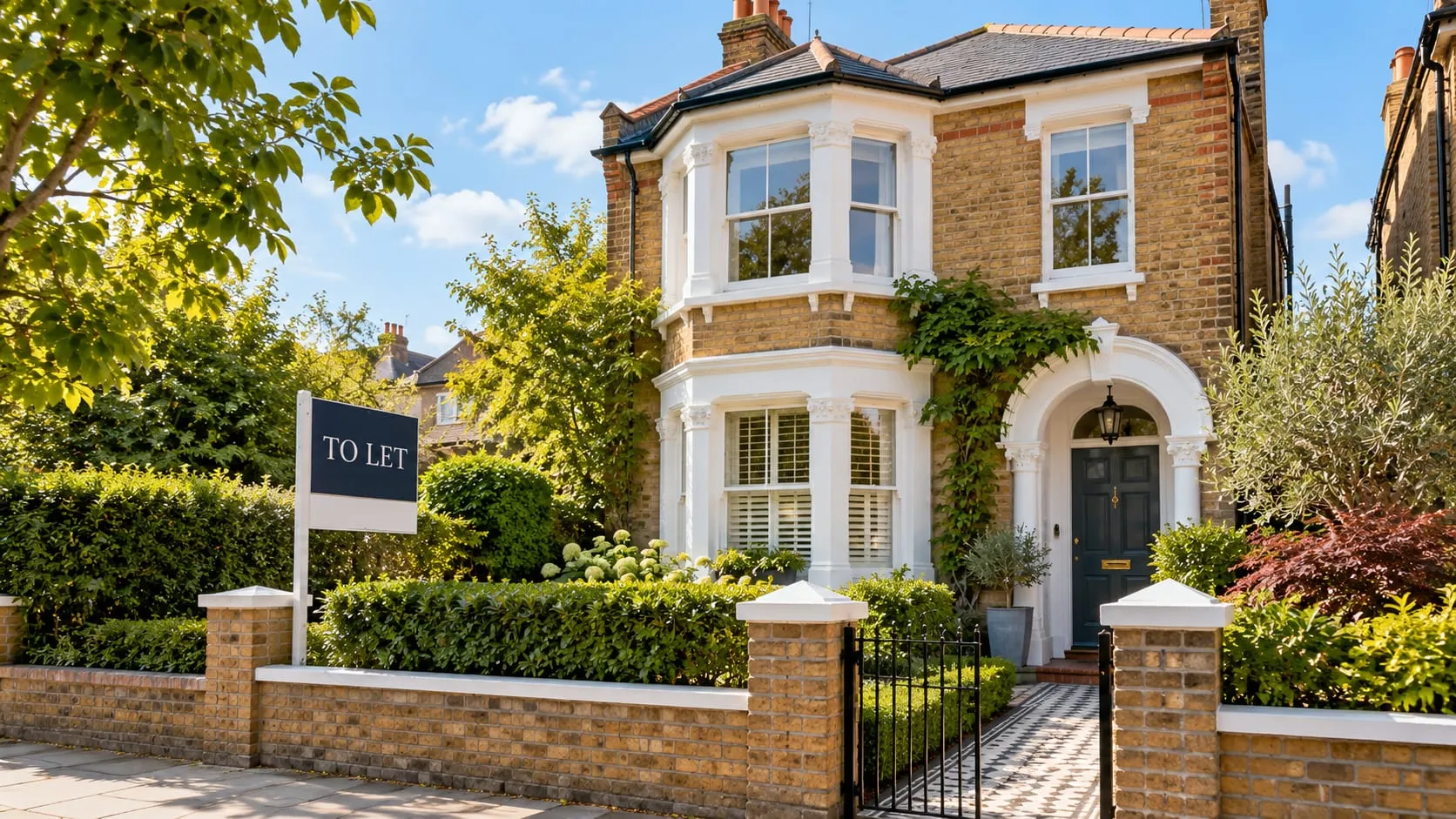
Cover for a property you rent out
Buy-to-Let Insurance
Buildings, contents and liability cover written for a property with tenants in it, rather than one you live in yourself.
- Cover for single lets, flats and whole portfolios
- Rent guarantee and legal expenses available as add-ons
- Compare quotes from 40+ providers
Partnered with Quotezone
What being partnered with Quotezone means LandlordQuote is a trading style of Simply Quote Comparison Ltd. We are partnered with Quotezone, a trading style of Seopa Ltd (FCA FRN: 313860). As an Introducer Appointed Representative of Seopa Ltd, we may be paid a commission if you request a quote through this website. We do not provide advice or make recommendations. Your choice of provider is entirely your own.Compare landlord insurance and deals from industry leading providers, including





















01
What Is Buy-to-Let Insurance?
Buy-to-let insurance covers a residential property you own and rent out, combining buildings cover for the structure with liability cover for claims made against you as the owner.
It exists because letting changes the risk. A property with tenants in it is occupied differently from one the owner lives in, and it stands empty between tenancies.
Most policies are built from the same three parts, with optional extras bolted on top. You choose which parts you need at quote.
Because the parts are standard, the difference between quotes is usually price and excess rather than cover, which is why it pays to compare landlord insurance in the UK rather than renew on the same terms.
02
How Do You Compare Buy-to-Let Insurance Quotes?
Answer one set of questions about the property and the tenancy, then compare what comes back on cover and excess as well as price.
- 1
Gather the property details
You need the postcode, roughly when the property was built, and what it is built from. An estimate of the rebuild cost is enough to start.
- 2
Describe the tenancy honestly
Insurers price on who lives there and on what kind of agreement. Getting this wrong is the most common reason a claim is later disputed.
- 3
Choose your cover and limits
Decide whether you want contents cover, and pick a liability limit. Add rent guarantee or legal expenses here if you want them priced.
- 4
Compare the quotes properly
Put the excess, the liability limit and the unoccupancy terms side by side, not just the premium. The cheapest quote is often the one carrying the highest excess.
03
What Does Buy-to-Let Insurance Cover?
A typical policy covers the building itself, the contents you provide, and your liability as the owner if someone is injured or their property is damaged.
Buildings
This is the structure, the roof and the permanent fixtures, usually including fitted kitchens and bathrooms. It is insured for the rebuild cost rather than the market value, which catches out landlords who insure for the price they paid. Standard perils are fire, flood, storm, escape of water, subsidence and malicious damage. What counts as each one is defined in the policy wording, so read the definitions before assuming.
Contents you provide
Landlord contents cover applies to the things you own rather than the things your tenant owns. Carpets, curtains, white goods and any furniture in a furnished let are yours to insure. Your tenant’s possessions are theirs to insure. Saying so in the tenancy agreement avoids an argument after a burst pipe.
Property owners' liability
This responds when a tenant, visitor or neighbour claims they were injured, or their property was damaged, because of your building. A loose handrail or a falling roof tile is the classic example. You choose the limit at quote. Higher limits cost relatively little, and the figure you pick is the ceiling on what the insurer will pay.
Compare in one place
See what cover is available for your property.
One set of questions, quotes back from UK providers.
04
What Can You Add to a Buy-to-Let Policy?
Beyond the core cover, most insurers offer rent protection, legal expenses, home emergency and accidental damage as priced options.
The main options compared
Each of these is a separate decision, and each is priced separately.
| Optional cover | What it pays for | Worth considering if |
|---|---|---|
| Rent guarantee | Rent a tenant stops paying | You depend on the rent to cover the mortgage |
| Loss of rent | Rent lost while the property is uninhabitable | A fire or flood would leave you with no income |
| Legal expenses | Possession proceedings and tenancy disputes | You would struggle to fund a court case |
| Home emergency | Call-outs for heating, leaks and lockouts | You have no trusted local tradesperson |
| Accidental damage | One-off damage such as a drill through a pipe | The property is furnished to a high standard |
Rent protection is two different products
Rent guarantee covers a tenant who stops paying, and insurers normally require referenced tenants and a properly drawn-up agreement before it pays. Loss of rent covers income lost when the property cannot be lived in after an insured event. Landlords often buy one believing they have bought the other. Check which is on your schedule.
Legal cover and emergencies
Legal expenses cover meets the cost of possession proceedings and disputes, up to the limit shown on the policy. Home emergency is a call-out product that makes the property safe rather than replacing an old boiler.
05
What Is Not Covered by Buy-to-Let Insurance?
Wear and tear, unreported void periods, poor maintenance and deliberate damage by tenants sit outside most standard policies.
-
General wear and tear
Insurance responds to sudden, unexpected events. A carpet that has worn thin over six years is a replacement cost, not a claim.
-
Long void periods you did not declare
Cover is normally restricted once a property has been empty for a set number of consecutive days, commonly somewhere between 30 and 60, with the exact figure in your wording. A longer void usually needs an unoccupied property policy instead.
-
Damage caused deliberately by a tenant
Malicious damage by tenants is often excluded from standard cover, or offered as an option with its own excess. Read this section before assuming you are covered.
-
Gradual problems you knew about
Damp that has been developing for two years, or a roof you were told needed work, will usually be treated as a maintenance failure. Keeping records of inspections and repairs is what separates a maintenance issue from a sudden event.
06
How Does a Buy-to-Let Insurance Claim Work?
You report the incident, the insurer appoints someone to assess it, and the settlement is paid less the excess once the cause is agreed.
A worked example
A washing machine hose fails in a first-floor flat and water comes through the ceiling below.
The repair to your flat is quoted at £4,800 and your policy excess is £350. You report it as soon as you know, and the insurer sends a loss adjuster because the figure is over their desk-assessment threshold. If escape of water is covered and the cause is sudden rather than gradual, you receive £4,450.
What speeds a claim up
Photographs, the original inventory and any inspection records all help. Insurers ask for evidence of condition before the incident, which is hard to produce after the event. Report promptly. Most policies require notification within a set period, and a late report gives the insurer grounds to reduce or refuse the payment.
07
How Much Does Buy-to-Let Insurance Cost?
There is no meaningful average, because the premium is built from the property, the tenancy and your claims history rather than from a list price.
What actually moves the price
We do not publish an average premium, because the figure would be misleading for any individual property. These are the factors insurers weigh.
- 1 Rebuild cost and size Higher rebuild figure, higher premium
- 2 Postcode flood and subsidence risk Can raise it sharply, or limit which insurers quote
- 3 Construction type Non-standard construction narrows the market
- 4 Tenant type Insurers rate working, student and benefit tenants differently
- 5 Claims history Recent claims raise the price at renewal
- 6 Excess chosen A higher excess lowers the premium
- 7 Optional extras Rent guarantee and legal cover are priced separately
Why quotes differ so widely
Two insurers can look at the same property and reach very different figures, because each weighs those factors on its own model. That is the argument for comparing rather than renewing automatically.
08
How Can You Save Money on Buy-to-Let Insurance?
Insure for the right rebuild figure, keep the property maintained, and compare at every renewal rather than letting the policy roll.
Get the rebuild cost right
Insuring for the market value rather than the rebuild cost usually means paying for cover you cannot claim. Under-insuring is worse, because the insurer can reduce a settlement in proportion to the shortfall.
Do the maintenance that prevents claims
Servicing the boiler, clearing the gutters and fixing small leaks all reduce the chance of a claim. An annual gas safety check by a Gas Safe registered engineer is a legal duty in any case, and GOV.UK sets out the rest of a landlord’s responsibilities.
Review the policy rather than renewing it
Renewal quotes tend to drift upward, and cover you paid for last year may no longer fit. Check the rebuild figure, the tenant type and the optional extras each time.
Consider a single policy for several properties
If you let more than one property, a portfolio policy can reduce both the cost and the administration. It also removes the risk of a renewal date slipping past you.
09
What Do Buy-to-Let Lenders Require?
Most buy-to-let mortgage lenders make buildings insurance a condition of the loan, and some set a minimum sum insured or ask to be noted on the policy.
The lender’s conditions
Your mortgage offer will say what cover is required and from when. Cover normally has to be in place from exchange of contracts rather than completion, because the risk passes to you at exchange.
Letting on a residential mortgage
Letting a property held on an ordinary residential mortgage without telling the lender breaches the mortgage terms. Consent to let, or a switch to a buy-to-let product, is the route your lender will expect.
Where liability sits for repairs
Regardless of what the tenancy agreement says, section 11 of the Landlord and Tenant Act 1985 puts the structure, exterior and the main installations on the landlord. Insurance sits on top of that duty rather than replacing it. Industry guidance on property cover is published by the Association of British Insurers, and it is a useful reference when comparing what different policies include.
10
Which Properties Need Something Other Than a Standard Policy?
Houses in multiple occupation, holiday lets, listed buildings and properties left empty all need cover written for that situation rather than a standard buy-to-let policy.
Shared houses and HMOs
Once a property is let to several unrelated people, insurers treat it as an HMO and price it separately. Many mainstream insurers will not quote for one at all.
Period and listed property
A listed building has to be repaired using matching materials and methods, which raises the rebuild figure well above a modern equivalent. The sum insured needs to reflect that, not the size of the property.
Properties standing empty
A property between tenancies, in probate, or being refurbished is rated as unoccupied rather than let. Telling the insurer at the point it becomes empty keeps the cover in force.
Questions
Frequently asked questions
Is buy-to-let insurance a legal requirement?
No. No law says you must hold it. In practice a buy-to-let mortgage almost always makes buildings insurance a condition of the loan, and letting a property insured as your own home usually breaches that policy.
Can I use my normal home insurance instead?
Usually not. A standard home policy is priced for a property the owner lives in, and most insurers will either decline a claim or void the policy if they find tenants were living there without their knowledge. Tell your insurer before the tenancy starts.
How much should I insure the building for?
For the rebuild cost, not the market value. Rebuild cost is what it would take to clear the site and build the property again, including professional fees, and it is often lower than what the property would sell for.
Does the policy cover my tenant’s belongings?
No. Landlord contents cover applies to items you provide, such as carpets, curtains and white goods. Your tenant insures their own possessions under their own contents policy.
What happens if the property is empty between tenancies?
Tell your insurer. Most policies restrict cover once a property has been unoccupied for a set number of consecutive days, and that period is written into the policy wording rather than fixed by law.
Do I need different cover if I let to students or on housing benefit?
Often yes, because insurers rate tenant types differently and some will not quote at all for certain lets. Answer the tenant-type question accurately on the form so the quotes you compare are ones that would actually pay out.
Can I insure more than one property on a single policy?
Yes. A portfolio policy puts several properties under one renewal date and one set of documents. Each insurer sets its own minimum number of properties.
Does buy-to-let insurance cover loss of rent?
Loss of rent is commonly included or offered as an option, and it pays rent you lose while the property cannot be lived in after an insured event such as a fire or flood. It is different from rent guarantee, which covers a tenant who simply stops paying.
Who is responsible for repairs, me or the tenant?
Section 11 of the Landlord and Tenant Act 1985 puts the structure, exterior and the installations for water, gas, electricity, sanitation and heating on the landlord. A tenancy agreement cannot contract out of it.
Will a claim push my premium up?
It can. Insurers price on claims history, so a claim may affect what you are quoted at renewal. That is worth weighing against the excess before claiming for something minor.
Does it cost anything to compare quotes here?
No. Comparing is free and you are under no obligation to buy. We may be paid a fee when someone takes out a policy after using the site, and that does not change the price you are quoted.
Ready to compare quotes?
Buildings, contents and liability cover written for a property with tenants in it, rather than one you live in yourself.
Compare landlord insurance quotes from UK providers.