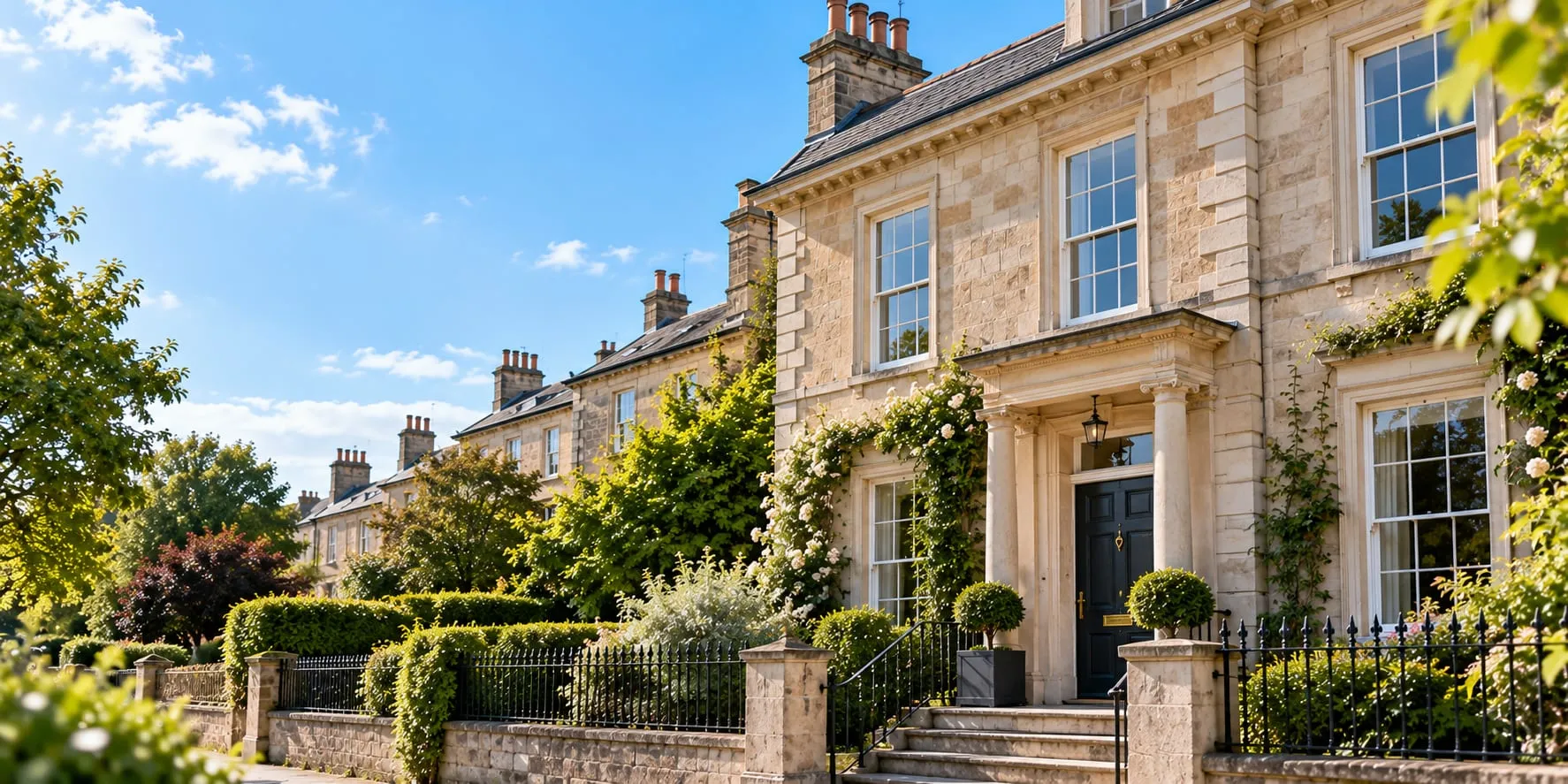
Cover for listed and period property
Listed Building Insurance
Specialist cover for a listed property, where any repair has to match the original materials and methods rather than the cheapest modern equivalent.
- Grade I, Grade II* and Grade II property
- Rebuild cost based on traditional materials and craft
- Compare quotes from 40+ providers
Partnered with Quotezone
What being partnered with Quotezone means LandlordQuote is a trading style of Simply Quote Comparison Ltd. We are partnered with Quotezone, a trading style of Seopa Ltd (FCA FRN: 313860). As an Introducer Appointed Representative of Seopa Ltd, we may be paid a commission if you request a quote through this website. We do not provide advice or make recommendations. Your choice of provider is entirely your own.Compare landlord insurance and deals from industry leading providers, including





















01
What Is Listed Building Insurance?
Listed building insurance is property cover written for a building on the statutory list, where any repair has to use the original materials and traditional methods.
The difference is not the perils but the settlement. A standard policy pays to put a building back with modern materials, which is exactly what a listed building may not use.
That single difference is why a listed property rarely fits standard landlord insurance for UK property and needs a wording written for it.
02
How Do You Compare Listed Building Insurance Quotes?
Establish a proper reinstatement figure first, then compare how each policy handles conservation requirements and professional fees.
- 1
Confirm the listing and its grade
Check the entry rather than relying on what you were told at purchase. The grade and the listing description both affect what a repair will involve.
- 2
Get a reinstatement cost assessment
A surveyor experienced in historic buildings will price a rebuild using lime mortar, matching stone and traditional joinery. Online calculators are built for modern construction and will understate it.
- 3
Check how the policy settles
Ask whether the wording commits to reinstatement using appropriate materials and methods. This single clause is what separates specialist cover from a standard policy.
- 4
Declare the letting arrangement
If the property is tenanted or used as a holiday let, say so at quote. Occupancy affects appetite as much as the listing does.
03
What Does Listed Building Insurance Cover?
It covers the same perils as a standard buildings policy, but reinstates the property using materials and craft appropriate to its age and listing.
Reinstatement to the right specification
Lime mortar rather than cement, matching stone or hand-made brick, and joinery copied from the original. The settlement basis is what you are buying.
Professional and conservation fees
Architects, structural engineers and heritage consultants are usually needed for any substantial repair. Good policies cover those fees explicitly.
Higher sums insured
Rebuild figures on listed property frequently exceed market value. That is normal, and insurers who write these risks expect it.
Liability and contents
Property owners liability and landlord contents work as they do on any let. Where the property is a holiday let, the liability exposure is higher.
Compare in one place
See what cover is available for your listed property.
One set of questions, quotes back from UK providers.
04
What Do the Listing Grades Mean?
Grade I buildings are of exceptional interest, Grade II* are particularly important, and Grade II are of special interest. Around nine in ten listed buildings are Grade II.
How the grades compare
The grade signals how tightly the building is protected, which in turn affects how a repair must be carried out.
| Grade | What it means | Effect on insurance |
|---|---|---|
| Grade I | Exceptional interest | Fewest insurers, highest rebuild figures |
| Grade II* | Particularly important, more than special interest | Specialist market, careful underwriting |
| Grade II | Special interest, the large majority | Widely insurable through specialists |
| Locally listed | Recorded by the council, not statutory | Usually insurable as standard or non-standard |
Listing covers more than the facade
Protection applies to the whole building, inside and out, and can extend to attached structures and items within the curtilage. The rules sit in the Planning (Listed Buildings and Conservation Areas) Act 1990, and interiors are often protected even where the list entry does not describe them.
Check the entry yourself
Historic England maintains the National Heritage List, which records every listed building in England and can be searched by address. Scotland, Wales and Northern Ireland keep their own registers.
05
Why Is the Rebuild Cost So Much Higher?
Traditional materials cost more, the craft skills are scarce, and the work takes longer, all of which lands in the reinstatement figure.
Materials and craft
Lime plaster, hand-made bricks, stone slates, leaded lights and oak framing all cost several times their modern equivalents. The trades who can work with them are fewer and booked further ahead.
Time and access
Repairs proceed slowly, often under conservation supervision and sometimes seasonally, since lime work is weather dependent. A listed rebuild can take two or three times as long as a modern one.
Consent adds to the timeline
Substantial works need listed building consent before they begin. That approval period sits on top of the build programme and affects any loss of rent period you set.
Why market value is the wrong figure
In many areas a listed cottage sells for less than it would cost to rebuild. Insuring on sale price is the classic under-insurance trap on this type of property.
06
What Is Not Covered by Listed Building Insurance?
Gradual decay, deferred maintenance, unauthorised alterations and damage arising from inappropriate previous repairs sit outside the cover.
-
Gradual decay
Rot, beetle infestation and slow damp are maintenance issues rather than sudden events. Historic buildings are particularly prone to them, and insurers look closely.
-
Deferred maintenance
A roof that has needed attention for years, or blocked gutters saturating a wall, will be treated as neglect. Documented maintenance is the defence.
-
Unauthorised works
Alterations made without consent, by you or a previous owner, can cause problems at claim time. They can also attract enforcement independently of any insurance issue, and GOV.UK sets out when permission is required.
-
Damage from unsuitable earlier repairs
Cement render trapping moisture in a solid wall is the classic example. The resulting damage is usually excluded as an inherent defect.
07
How Does a Listed Building Claim Work?
The insurer appoints a loss adjuster familiar with historic buildings, a conservation-appropriate schedule is agreed, and the work proceeds under specialist supervision.
A worked example
Fire damages the roof of a Grade II stone cottage let to tenants.
A modern reinstatement would cost around £120,000, while reinstating with matching stone slates, oak and lime comes to roughly £210,000. A specialist policy with an accurate reinstatement figure covers the higher sum. A standard policy insured at modern-equivalent cost would leave the difference with you.
Expect a longer timeline
Consent, specialist contractors and seasonal constraints all extend the programme. Set the loss of rent indemnity period with that in mind rather than defaulting to twelve months.
Keep records of what is original
Photographs, past survey reports and any conservation correspondence. Proving what was there before is much harder after a fire.
08
How Much Does Listed Building Insurance Cost?
It costs more than equivalent modern property, driven mainly by the rebuild figure, the grade and the construction.
What moves the price
- 1 Reinstatement cost The largest single driver
- 2 Grade Grade I and II* narrow the market
- 3 Roof covering Thatch raises it sharply
- 4 Heating and chimneys Open fires and wood burners raise it
- 5 Occupancy Letting, holiday letting or standing empty each change it
- 6 Flood and subsidence risk Older foundations can be more vulnerable
- 7 Maintenance record A documented record helps
Why comparing matters more here
Only a limited number of insurers write listed property with tenants, and their appetites differ sharply. The spread between quotes on this type of risk is unusually wide.
Questions
Frequently asked questions
Why do listed buildings need specialist insurance?
Because repairs must match the original materials and methods. Lime mortar, hand-made bricks, stone slates and traditional joinery cost far more than modern equivalents, so the rebuild figure and the claims settlement both work differently.
Is the rebuild cost higher than for a normal house?
Usually much higher, and sometimes several times the market value. A standard rebuild calculator will understate it, so a professional reinstatement cost assessment is worth the fee.
What do the grades mean?
Grade I buildings are of exceptional interest, Grade II* are particularly important, and Grade II are of special interest. Most listed buildings are Grade II, and the grade affects both consent requirements and insurance appetite.
Does listing apply to the whole building?
Listing covers the whole structure, inside and out, and can extend to attached structures and objects within the curtilage. Interior features are frequently protected even when the listing text does not mention them.
Do I need consent to repair a listed building?
Listed building consent is needed for works affecting the character of the building. Like-for-like repair often does not require it, but the line is not always obvious, so ask the conservation officer first.
What happens if I make unauthorised alterations?
Carrying out works without consent is a criminal offence and can lead to enforcement requiring reinstatement. It can also affect an insurance claim where the unauthorised work contributed to the damage.
Can I insure a thatched property?
Yes, though fewer insurers write thatch and the fire precautions expected are more demanding. Chimney lining, regular sweeping and spark arrestors are commonly required.
Is it harder to insure if I let it out?
Letting narrows the market further, because a listed property with tenants combines two factors that insurers rate carefully. It is still readily insurable through specialist providers.
Does the policy cover the cost of meeting conservation requirements?
A specialist policy should pay to reinstate using appropriate materials and methods, including any professional and conservation fees. A standard policy may only pay modern equivalent costs.
What if the property has to stand empty during works?
Tell the insurer. Repairs to listed buildings take longer than modern equivalents, and an unoccupied period during works usually needs specific cover.
Does it cost anything to compare quotes here?
No. Comparing is free and there is no obligation to buy. We may be paid a fee when a policy is taken out, which does not change the price you are quoted.
Ready to compare quotes?
Specialist cover for a listed property, where any repair has to match the original materials and methods rather than the cheapest modern equivalent.
Compare landlord insurance quotes from UK providers.