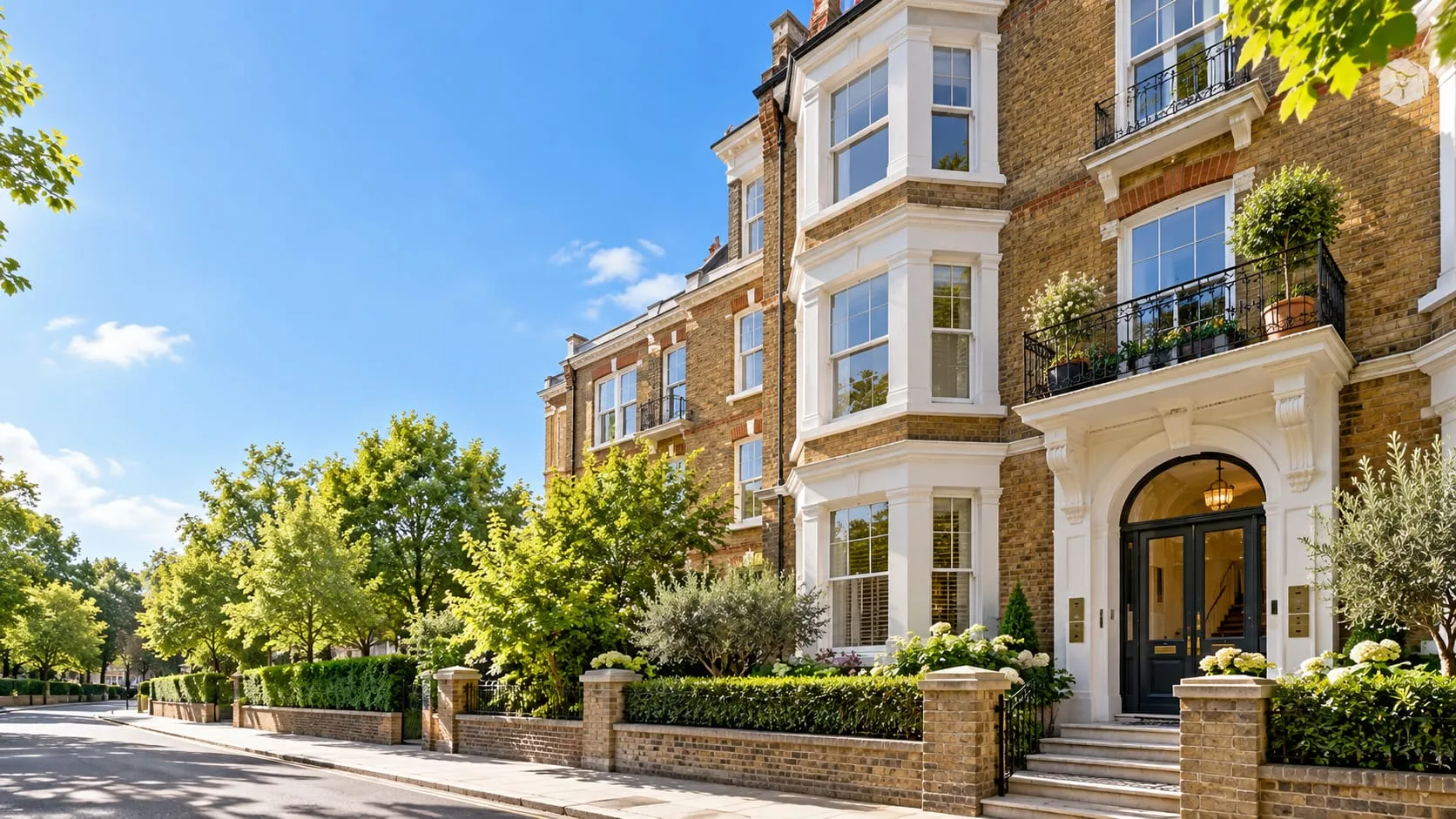
Cover for a flat you let out
Flat Landlord Insurance
Cover for a leasehold flat you rent out, where the freeholder usually insures the structure and you insure everything else.
- Contents, liability and rent protection for leasehold flats
- Buildings cover where you own the freehold
- Compare quotes from 40+ providers
Partnered with Quotezone
What being partnered with Quotezone means LandlordQuote is a trading style of Simply Quote Comparison Ltd. We are partnered with Quotezone, a trading style of Seopa Ltd (FCA FRN: 313860). As an Introducer Appointed Representative of Seopa Ltd, we may be paid a commission if you request a quote through this website. We do not provide advice or make recommendations. Your choice of provider is entirely your own.Compare landlord insurance and deals from industry leading providers, including





















01
What Is Flat Landlord Insurance?
Flat landlord insurance covers a leasehold flat you rent out, usually without buildings cover, because the freeholder insures the structure through a block policy.
That makes it a different product from a house policy. What you are buying is contents, liability and rent protection rather than a rebuild.
Say so at quote, because most UK landlord insurance quotes assume the building is yours to insure.
02
How Do You Compare Flat Landlord Insurance Quotes?
Establish what the block policy already covers, then buy only the sections that fill the gap.
- 1
Read the lease
The lease says who insures what, and whether you may let the flat at all. It is the document that decides which cover you need.
- 2
Get the block policy summary
Ask the managing agent for a summary and the excess figures. You are entitled to see it, and it tells you where the block cover stops.
- 3
Work out what you supply
Carpets, curtains, white goods and any furniture. Add anything you installed that may sit outside the block policy, such as a replacement kitchen.
- 4
Choose liability and rent protection
Liability cover for claims from inside your flat, and rent protection if losing the income would hurt. These are the sections the block policy does not reach.
03
What Does Flat Landlord Insurance Cover?
It covers the contents you provide, your liability as landlord of the flat, rent protection, and buildings cover only where you are the one insuring the structure.
Contents you supply
Carpets, curtains, blinds, appliances and any furniture in a furnished let. A flat let furnished carries more landlord contents than most people estimate.
Property owners liability
Claims from a tenant or visitor injured inside your flat. The block policy covers the freeholder’s liability for common parts, not yours for the demise.
Loss of rent
Where the flat is uninhabitable after an insured event, this replaces the rent. Repairs in a block frequently take longer than in a house because access and contractors have to be co-ordinated.
Buildings, where it applies
If you own the freehold of a converted house, or the lease puts the insuring obligation on you, you need buildings cover as well. That is the exception rather than the rule.
Compare in one place
See what cover your flat actually needs.
One set of questions, quotes back from UK providers.
04
Who Insures the Building?
In almost all leasehold flats the freeholder, right to manage company or residents management company insures the whole structure and recharges the cost.
How the obligation is set
The lease decides. It names who must insure, what perils must be covered and how the premium is recovered through the service charge.
What you are entitled to see
Leaseholders can request a summary of the insurance and inspect the supporting documents. GOV.UK sets out leaseholder rights, including how service charges may be challenged.
Where the demise line falls
Leases differ on whether plaster, floorboards and fitted units belong to the flat or the structure. That line decides whether a repair is yours or the block’s.
When you own the freehold too
Owning a share of freehold, or the whole freehold of a converted house, moves the buildings obligation to you or to the company you share. Then you are arranging the block cover as well.
05
What Does the Block Policy Not Cover?
Your contents, your liability as landlord, your lost rent and often the improvements you have made inside the flat.
-
Your contents and your tenant’s
The block policy covers structure. Everything movable inside the flat belongs either to you or to your tenant, and needs separate cover.
-
Your liability to your tenant
A tenant injured by a defect inside the flat looks to you, not the freeholder. This is the most commonly missed section on a let flat.
-
Improvements and alterations
A kitchen or bathroom you installed may not be picked up by the block sum insured. Check the lease definition and insure the difference if there is one.
-
The excess
Block excesses, especially for escape of water, can run into thousands and are often recharged to the flat responsible. That exposure sits with you rather than the freeholder.
06
What Should You Check in the Lease?
Whether you may let at all, whether consent is needed, who insures what, and whether short-term letting is prohibited.
Permission to sublet
Many leases restrict subletting or require the freeholder’s consent, sometimes with a registration fee. Letting in breach of the lease is a serious problem if the freeholder enforces it.
Short-term letting restrictions
Leases frequently prohibit letting for short periods, which rules out holiday and platform lettings. Insurers ask about the letting type, and a prohibited use is not a good position to be in.
Insurance obligations on you
Some leases require the leaseholder to hold specific cover, such as a minimum liability limit. Read those clauses before buying a policy.
Ground rent and service charge arrears
Arrears can trigger forfeiture provisions in the lease, which is a far bigger problem than an insurance gap. Keep the service charge current, particularly where a claim has just increased it.
Notification requirements
Leases often require you to notify the freeholder of a letting or an assignment. Doing so also keeps the block policy accurate.
07
How Does a Claim Work on a Let Flat?
Structural damage goes through the block policy via the managing agent, while contents, liability and rent claims go through your own policy.
A worked example
A leak from the flat above damages the ceiling, carpets and your tenant’s belongings.
The ceiling repair goes through the block policy, your carpets through your contents cover, and your tenant’s possessions through their own policy. If the flat is uninhabitable for six weeks, your loss of rent section covers the rent for that period.
Report to both
Tell the managing agent and your own insurer. Waiting for the block claim to conclude before notifying your insurer wastes time.
Find out who is handling it
In a managed block the agent usually deals with the insurer, which means you are a step removed from progress. Ask early who your point of contact is and how often you will be updated.
Expect it to take longer
Block claims involve several parties and shared contractors. Set rent protection periods with that in mind.
08
How Much Does Flat Landlord Insurance Cost?
It is usually cheaper than a house policy, because the largest element, buildings cover, sits with the freeholder.
What moves the price
- 1 Whether buildings is included The single biggest difference
- 2 Contents sum insured Furnished lets cost more
- 3 Liability limit Higher limits cost more, but not proportionally
- 4 Rent protection Adding it raises the premium
- 5 Tenant type Student and benefit lets are rated differently
- 6 Location and block type Flood risk and taller blocks raise it
Do not pay twice
The commonest error on a let flat is buying full buildings cover that duplicates the block policy. Guidance from the Association of British Insurers is a useful reference on how leasehold cover is usually arranged.
09
How Can You Avoid Problems Later?
Keep the lease, the block policy summary and your own schedule together, and tell everyone who needs to know that the flat is let.
Tell the managing agent you are letting
Undeclared lettings complicate claims and can breach the lease. A short letter is usually all that is needed.
Know the block excess before you need to
Escape of water excesses in blocks are often large. Knowing the figure helps you decide whether to claim or absorb a small loss.
Agree access arrangements in advance
Repairs in a block often need access to neighbouring flats, and a tenant who will not let contractors in stalls the whole claim. A clause in the tenancy agreement covering reasonable access saves weeks.
Keep your contents list current
Photograph the flat at each changeover and keep receipts for appliances. It supports both deposit deductions and claims.
Meet your own landlord duties
The block policy does not touch your obligations as a landlord. GOV.UK sets out what those are, from safety certificates to deposit protection.
Questions
Frequently asked questions
Do I need buildings insurance for a leasehold flat?
Usually not. The freeholder or management company insures the whole building through a block policy and recovers the cost through the service charge. Check the lease before buying separate buildings cover.
What do I actually need then?
Contents cover for anything you supply, property owners liability, and rent protection if you want it. Improvements you have made to the flat may also need covering separately.
How do I find out what the block policy covers?
Ask the freeholder or managing agent for a summary of the insurance. Leaseholders have a statutory right to request it and to inspect the supporting documents.
What if I own the freehold as well?
Then you need buildings cover too, either as a single policy for a converted house or as a block policy if there are several flats and other leaseholders.
Does my lease allow me to let the flat?
Many leases restrict or prohibit subletting, and some require the freeholder’s consent or a fee. Letting in breach of the lease can put both the tenancy and the insurance position at risk.
Who pays the excess if my tenant causes a leak?
Where a claim goes through the block policy, the excess is often recharged to the flat responsible. Check the figure, because block excesses for escape of water can be high.
Am I covered for my tenant’s belongings?
No. Your tenant insures their own possessions. Your contents cover applies only to what you provided with the flat.
Do I need liability cover if the freeholder has it?
Yes. The block policy covers the freeholder’s liability for common parts, not yours as the landlord of your flat. A tenant injured inside the flat would look to you.
What about improvements I have made?
A new kitchen or bathroom you installed may fall outside the block policy depending on how the lease defines your demise. Read it, and insure the gap if there is one.
Does letting affect the block insurance?
It can. Some block policies ask about the proportion of flats that are let, and an undeclared letting can complicate a claim. Tell the managing agent.
Does it cost anything to compare quotes here?
No. Comparing is free and there is no obligation to buy. We may be paid a fee when a policy is taken out, which does not change the price you are quoted.
Ready to compare quotes?
Cover for a leasehold flat you rent out, where the freeholder usually insures the structure and you insure everything else.
Compare landlord insurance quotes from UK providers.